

How many times do you check your email in a day? If you’re like most people, it’s a lot. You’re sorting through promotions, replying to clients, and skimming newsletters. Your inbox is one of the few digital spaces you actually return to multiple times a day. For small business owners, email is one of the most valuable tools for building genuine customer relationships.
Email marketing gives you a direct way to reach people who have already shown interest in your business. There’s no algorithm to compete with and no need to chase the latest social platform trends. You establish a clear line of communication with your audience, and when used effectively, it can drive steady growth for years.
Why Email Still Works
Marketing channels come and go, but email continues to deliver results. Studies consistently show it remains one of the highest ROI tools available to businesses of all sizes. That’s because people still rely on their inboxes for communication and updates they actually care about.
When someone joins your mailing list, they’re giving you permission to reach them directly. That trust matters. It allows you to share news, promotions, and helpful information without getting lost in a crowded feed. Over time, those consistent messages can turn one-time buyers into loyal supporters.
Building a Healthy Email List
An effective email strategy starts with an engaged list. Focus on attracting people who are genuinely interested in hearing from you. Offer something valuable in exchange for their email—a free resource, a discount code, or exclusive updates.
Keep your sign-up process simple. Add forms to your website, social media profiles, or checkout page, and make sure subscribers understand the type of content they’ll receive. Avoid shortcuts like purchasing lists. Those addresses typically lead to low engagement and higher spam complaints. Organic growth takes longer, but it creates an audience that actually values what you send.
Crafting Emails People Want to Read
Every email you send should have a clear purpose. Whether you’re sharing a new product, offering seasonal advice, or providing an inside look at your business, the goal is to deliver value. Write with your audience in mind and keep the tone conversational.
Subject lines matter more than most people realize. Keep them short, specific, and accurate to the content inside. Personal touches—using someone’s name or tailoring recommendations based on past purchases—can make your message feel more relevant.
Consistency also matters. If you send an email once a week for a month and then disappear for six months, subscribers will lose interest. Find a frequency that suits your schedule and aligns with your audience’s expectations.
Design for Clarity and Ease
A well-designed email doesn’t need to be flashy. It needs to be clear. Make sure your message is easy to read on both desktop and mobile devices. Break up longer sections with short paragraphs or simple visuals, and highlight one main call to action.
Images can enhance your message, but don’t rely on them entirely. Always include clear text that communicates your main point, even if the pictures don’t load.
Measure What Matters
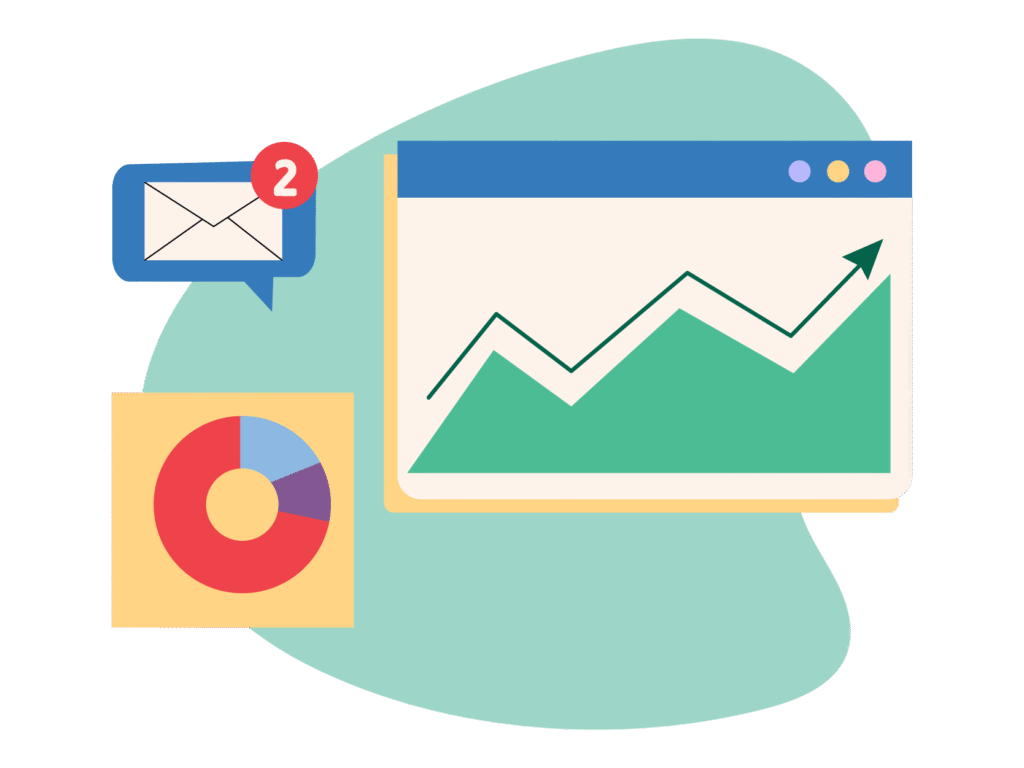
Email marketing is one of the few channels that gives you detailed feedback. Most email platforms let you track open rates, click-through rates, and unsubscribes. These metrics tell you what’s working and where you can improve.
If fewer people are opening your emails, try testing different subject lines or sending times. If clicks are low, examine whether your links are clear and easy to follow. The data helps you understand your audience better, allowing you to continually improve each campaign.
Staying Connected Over Time
Email marketing works best when it feels personal. It’s a space to tell your story, share your expertise, and stay connected with the people who support your business. Over time, those regular messages create a sense of familiarity and trust that other platforms struggle to replicate.
Start small. Send one meaningful email this month. It could be a quick update, a helpful tip, or a thank-you to your customers. The more consistently you show up, the more your audience will look forward to hearing from you.