

If marketing always ends up on the “I’ll get to it later” list, you’re not alone. Most small business owners know they should follow up with leads, welcome new subscribers, and stay in touch with past customers. The problem is that those tasks pile up fast, and they tend to land on the same person’s plate.
Marketing automation exists for that exact reason. At its core, it’s software that runs repeatable marketing tasks and customer communications for you, based on schedules and rules you set.
What marketing automation actually is
Marketing automation lets you build campaigns that run across multiple channels without having to set them up manually each time. Once you set up the logic, the automation tool handles the routine execution, such as sending messages at specific times or when someone takes a particular action. Automation works best when it supports a clear customer path. A new subscriber needs guidance. A warm lead needs follow-through. A past customer needs a reason to come back. Automation helps those moments happen reliably instead of depending on whether you remembered.
Marketing automation is typically handled through tools such as Mailchimp, HubSpot, Klaviyo, ActiveCampaign, and Omnisend. These platforms let you build automated emails and workflows by segmenting your audience and sending messages based on consumer behavior.
How automation can still feel personalized
Consistency in marketing can be a game-changer for small businesses. When marketing depends on spare time, your business suffers the consequences. Follow-ups get delayed, welcome emails go unsent, and leads become uninterested. Automation creates a steady baseline so customers still hear from you even when your week gets busy.
It can also make your marketing feel more relevant. Instead of sending a templated message to everyone on your list, automation can respond to behavior and preferences, which helps people get information that fits where they are.
How automation works behind the scenes
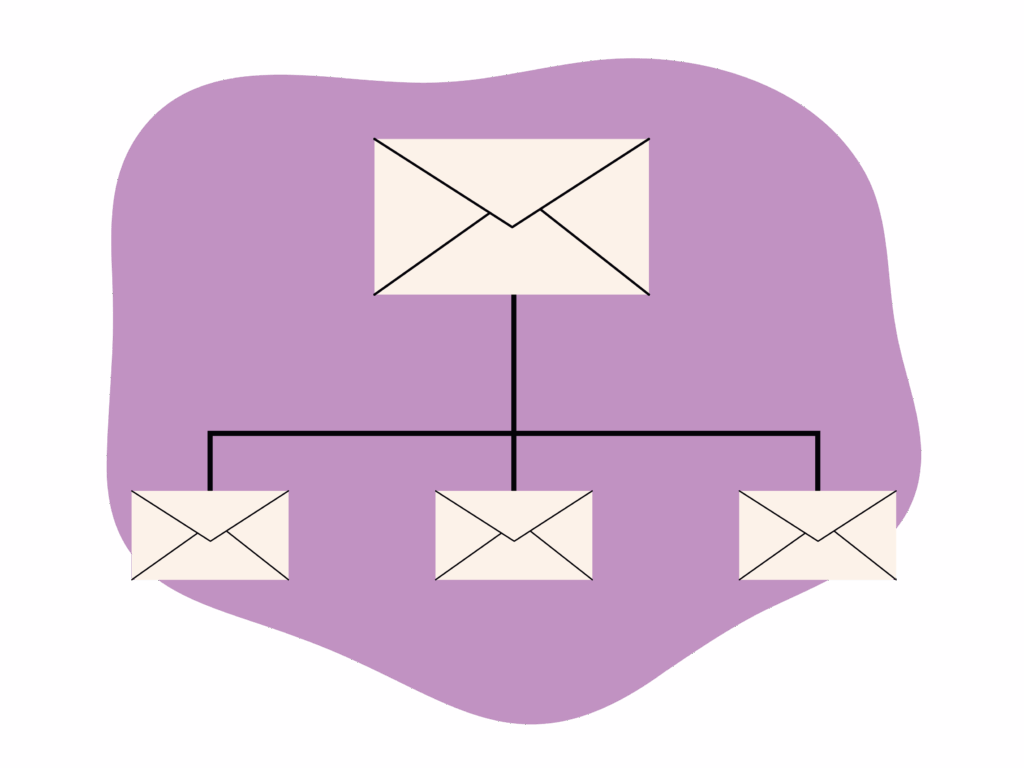
Most automation tools work through triggers and workflows. A trigger is the event that starts the process, like joining your list, clicking a link, booking an appointment, or making a purchase. A workflow is the set of steps that follow, such as sending an email immediately, waiting 2 days, then sending a second message.
In simple terms, triggers and workflows can be described as “when X happens, send Y.” For example, if a potential customer signs up for your newsletter, you could automate a warm welcome email landing in their inbox within minutes. This immediate connection makes your new subscribers feel valued and engaged from the start.
Building your first marketing automation
Start with something you’ll actually finish. A two-email welcome series is a strong first step because it improves the experience for every new subscriber.
Send the first email right away with a clear hello, what to expect, and one helpful link. Send the second a few days later with a practical tip, a popular resource, or a soft next step. Once that’s running, you can expand into other automations, such as cart reminders, post-purchase follow-ups, or re-engagement messages when someone goes quiet.
Next Steps
If marketing automation has been sitting on your “someday” list, start with one small workflow and build from there. A simple two-email welcome series can save time, improve follow-through, and make your marketing feel more consistent without adding more to your plate. If you want a starting point you can copy and customize, save this post, and set up your first welcome automation this week.